ADIPOSE TISSUE TECHNOLOGYFor healthcare professionals
Liposmart

SCIENCE & EVIDENCE

Adipose tissue science

Fat tissue is a living network of cells, small vessels and supporting matrix. Explore Liposmart tissue images and the research behind UFAT.

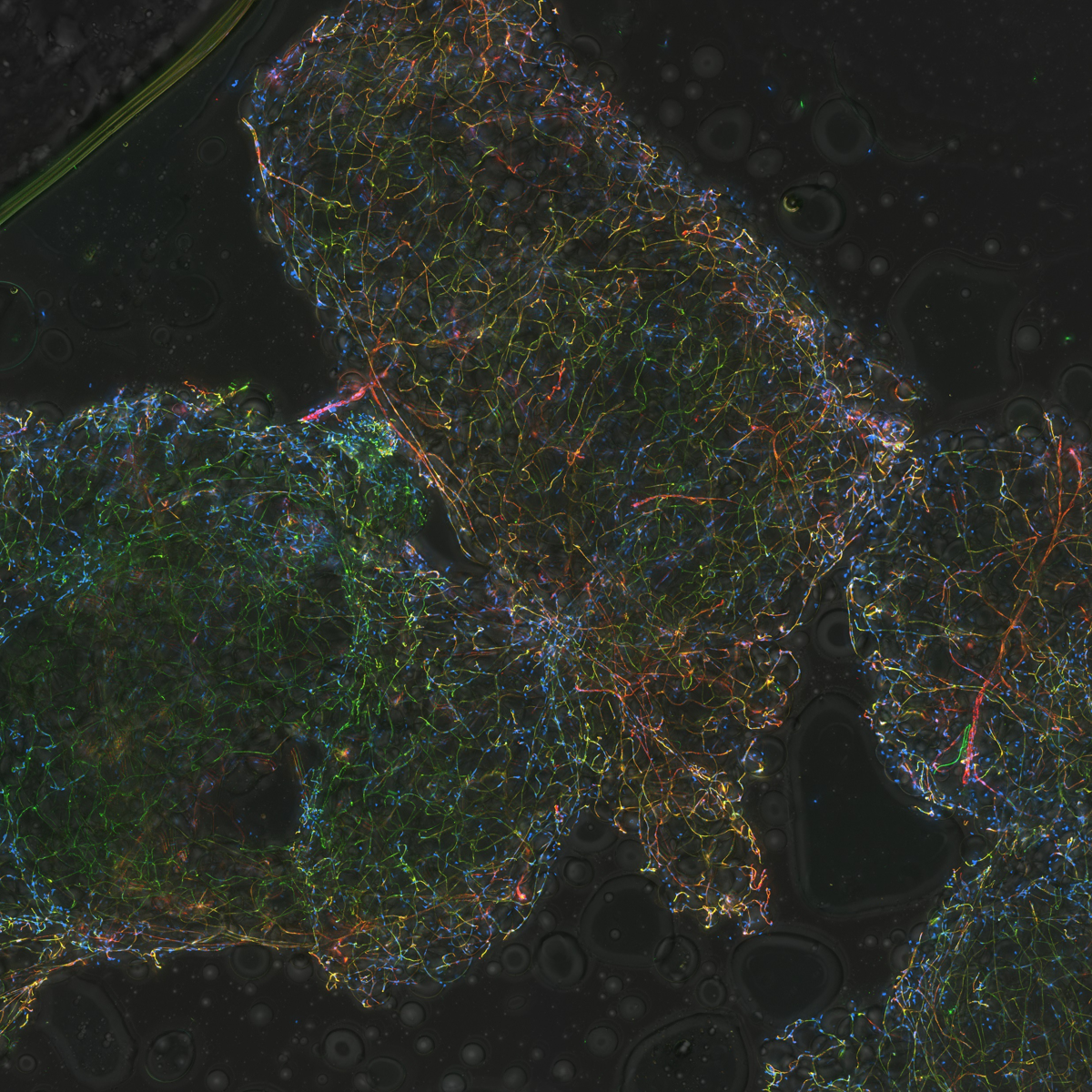
Fluorescence microscopy of Liposmart-processed adipose tissue stained for vascular cadherin and CD31
MICROSCOPY PREVIEW · OPEN ORIGINALVascular cadherin / CD31
Second sample series · slide 3

LIPOSMART LABORATORY FINDINGS

What the Liposmart reports show

Microscopy compares tissue before and after Liposmart processing. The laboratory reports describe signs of living cells and retained fine vascular structures in the samples.

Liposmart laboratory findings and wider clinical research are organised separately below.

View the paired images

LIPOSMART · ORIGINAL LABORATORY MATERIAL

Microscopy before and after processing

Paired microscopy compares original lipoaspirate with the corresponding Liposmart product. The original reports and authors are listed in the reference library.

PAIRED SOURCE IMAGES
01 Original lipoaspirate
Original lipoaspirate: vascular cadherin and CD31 fluorescence staining
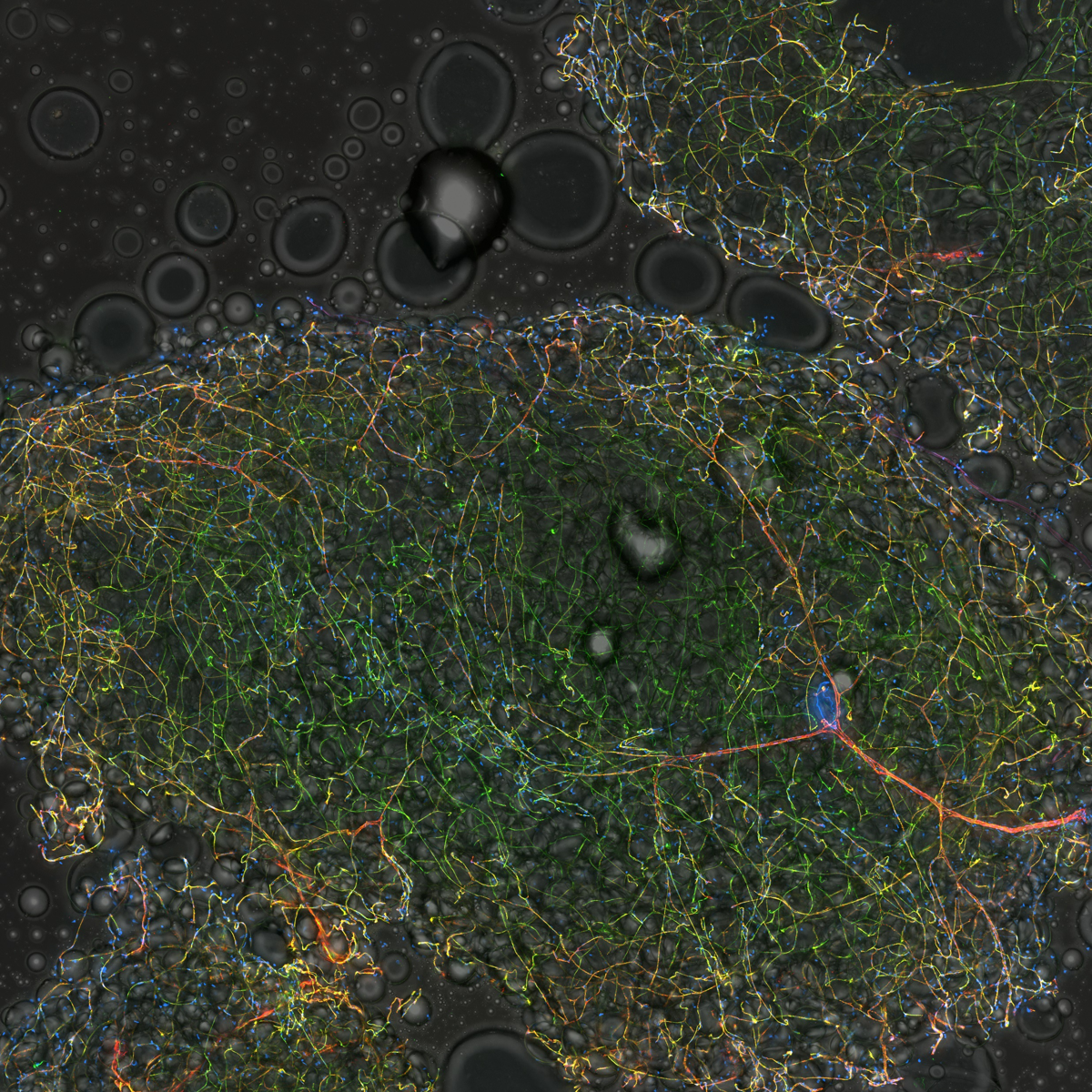
02 Liposmart product
Liposmart product: vascular cadherin and CD31 fluorescence staining

VASCULAR CADHERIN · CD31

Tracing the vascular network.

The paired fluorescence images show vascular-marker staining in the original and processed tissue. The source report describes preservation of fine vascular structures following Liposmart processing.

Second sample series · slide 3 · shared 27 April 2023

These images show selected sample areas. Cell-viability percentages and patient outcomes were not measured in this series.

Open the original series
METHODS & STRUCTURAL REPORT

The 21 September 2023 INBB report describes the microscopy methods and representative findings in Liposmart-processed human adipose tissue.

View report details

WHY ARCHITECTURE MATTERS

Cells, vessels and matrix

Cells, supporting structures and biological signals work together in adipose tissue.

01 / THE NICHE

Cells and their
surroundings.

The stromal vascular niche surrounds small blood vessels. It includes the vessel lining, nearby cells and the supporting matrix.

MFAT research studies these connections. Liposmart reports examine them in tissue images taken before and after processing.

Read the foundational work
02 / THE MATRIX

The matrix
supports and guides.

The extracellular matrix supports cells and provides physical and chemical signals. Cells respond to these signals through a process called mechanotransduction.

Laboratory experiments show that matrix stiffness can influence stem-cell behaviour.

Explore matrix biology
03 / THE SECRETOME

Signals between
neighbours.

Cells communicate through released proteins and extracellular vesicles. These secretions form the secretome. Their effects on nearby cells are called paracrine signalling.

MFAT laboratory studies examine these signals alongside tissue structure and cell content.

Explore the signalling research

Find the study methods and preparation systems in the references below.

BACKGROUND SCIENCE

The three-zone model.

Fat-graft experiments describe regions of cell survival, renewal and cell loss. Explore the model and what its measurements mean.

Read the model and its evidence

THREE TERMS. DIFFERENT MEANINGS.

Tissue, cells
and their environment.

MFAT describes tissue, SVF describes a cell fraction, and SVN describes the cells’ local environment.

01 / MFAT

A tissue preparation.

Microfragmented adipose tissue is mechanically processed fat that retains tissue clusters. Research examines the cellular and structural features within those clusters.

Explore the MFAT research
02 / SVF

A cellular fraction.

Stromal vascular fraction is a mix of cells separated from fat, often using enzymes.

Read the comparative study
03 / SVN

A biological context.

The stromal vascular niche is the shared environment of small vessels, nearby cells and supporting matrix.

Examine the Liposmart images
Where do MUSE cells, telocytes and extracellular vesicles fit? +

MUSE cells, telocytes and extracellular vesicles are subjects of wider tissue-biology research.

The Liposmart reports assess cell viability and selected tissue markers. MUSE cells, telocyte networks and exosome yield were not measured.

FROM BIOLOGY TO PROCESSING

Tissue preparation

Liposmart washes and mechanically processes a patient’s own fat tissue. Preparation options depend on the system.

Compare all four configurations
01

Washing

Saline washing helps separate blood, free oil and excess fluid from the tissue.

02

Mechanical filtration

The range includes 700 μm tissue filtration, with an additional 1,200 μm filter in UFAT 120 mL, Augment 275 mL and Pure Flow. These numbers specify filter apertures.

03

Tissue-based output

The result is a tissue preparation containing cells and supporting structures.

THE WIDER MFAT FIELD

Clinical research

Clinical studies measure patient outcomes for a specific preparation and condition.

Knee osteoarthritis:
two recent randomised trials.

These trials used other MFAT systems and reported different results.

RICHTER ET AL. · 202575 patients

One-year comparison
with saline and corticosteroid.

The authors reported improvements in pain and function with MFAT compared with saline. The trial was partially blinded and allocated patients among three groups.

Read the study summary
BARFOD ET AL. · 2025120 patients

Two-year comparison
with saline placebo.

Both groups improved, with no statistically significant between-group differences. The blinded trial did not show superiority of MFAT over saline.

Read the study summary

Pain relief, tissue repair and lasting benefit are separate outcomes. Each needs clinical evidence for the condition being treated.

READ THE DEVELOPMENT IN CONTEXT

The laboratory
work over time.

Follow the development work through three original sample reports.

18 FEB 2023First processing series

The early report noted heterogeneous starting tissue and membrane disruption in some configurations, particularly after repeated 700 μm passes. The authors proposed pressure as a possible contributor and recommended repeat testing.

An early development finding. The records do not confirm whether a later design change resolved the issue.

Read the original development report
27 APR 2023Second sample series

The accompanying laboratory correspondence reported similar viability appearances and well-retained fine vascular structures in the second paired sample. The seven-slide attachment is the source of the microscopy viewer above.

Shared on 27 April 2023; the PDF is undated.

Read the paired microscopy series
21 SEP 2023Methods and structural report

This report describes the imaging methods and findings in tissue samples.

Read the dated laboratory report

READ THE ORIGINAL SOURCES

Scientific references

Original reports and published papers, labelled by study type and preparation system.

Showing 14 sources

Early development laboratory report2023

Carlo Ventura · laboratory correspondence

First sample processing: membrane integrity and filtration stress

The four-page report sent on 18 February 2023 compares unprocessed tissue with washing and filtration configurations. The authors noted sample heterogeneity and membrane disruption, particularly after repeated 700 μm passes, and proposed further testing.

Study context +

Early development samples. Pressure was a proposed, unconfirmed explanation. See the later series for follow-up observations.

Fat – English · four-page report · shared 18 February 2023Read original
Liposmart laboratory report2023

Carlo Ventura · INBB, Bologna

Viability and structural analysis of Liposmart-processed adipose tissue

The report dated 21 September 2023 describes LIVE/DEAD assessment and fluorescence imaging of original lipoaspirate and corresponding processed tissue. Representative images support the presence of viable cells and organised vascular structures.

Study context +

Laboratory tissue study; no quantified viability rate or patient outcomes.

INBB laboratory report · 21 September 2023Read original
Liposmart microscopy series2023

Carlo Ventura · source series

Second sample processing: paired tissue microscopy

Seven slides compare original lipoaspirate with Liposmart-processed tissue using LIVE/DEAD, vascular cadherin/CD31 and perilipin/CD68 staining. The images presented on this page come from this series.

Study context +

Shared by Carlo Ventura on 27 April 2023, as established by the accompanying correspondence. Representative fields, without a quantified comparison across a reported donor cohort.

Second sample series · shared 27 April 2023 · slides 1–7Read original
Foundational cell biology2006

Engler et al.

Matrix elasticity directs stem cell lineage specification

Experiments with cultured mesenchymal stem cells showed that matrix elasticity can influence lineage specification. This is a foundation for understanding how the physical microenvironment affects cell behaviour.

Study context +

Cell-culture research on matrix stiffness.

Cell 126:677–689 · DOI 10.1016/j.cell.2006.06.044Read original
MFAT laboratory research2013

Bianchi et al.

A nonenzymatic method for a pericyte-rich fat tissue derivative

Describes vascular stroma and pericyte-like elements in mechanically processed adipose tissue, using histology, immunohistochemistry and cellular analyses.

Study context +

MFAT laboratory study using Lipogems.

Cell Transplantation 22:2063–2077 · DOI 10.3727/096368912X657855Read original
MFAT laboratory research2016

Ceserani et al.

Angiogenic and anti-inflammatory properties of microfragmented fat

Conditioned media from microfragmented tissue and derived stromal cells were studied in endothelial-cell and macrophage models. The results support investigation of paracrine mechanisms.

Study context +

Cell-model experiments using Lipogems-prepared tissue.

Vascular Cell 8:3 · DOI 10.1186/s13221-016-0037-3Read original
MFAT laboratory research2018

Vezzani et al.

Pericyte content and secretory activity of microfragmented adipose tissue

Compared mechanically processed tissue with enzymatically derived stromal vascular fraction. The authors reported differences in pericyte content and the release of growth factors and cytokines under experimental conditions.

Study context +

Laboratory comparison using another processing system; values apply to that preparation.

Stem Cells Translational Medicine 7:876–886 · DOI 10.1002/sctm.18-0051Read original
MFAT laboratory research2022

Ragni et al.

Tissue architecture, stromal cell content and paracrine mediators

Histology, cellular analysis, proteomics and extracellular-vesicle microRNA profiling examined the effects of microfragmentation. The authors found reduced blood elements with maintained structural and stromal components.

Study context +

Lipogems laboratory study of tissue structure and released molecules.

Journal of Clinical Medicine 11:2231 · DOI 10.3390/jcm11082231Read original
MFAT clinical research2019

Mautner et al.

MFAT versus bone marrow aspirate concentrate in knee osteoarthritis

A retrospective comparison included 76 patients with follow-up data. Both groups reported improved pain and function, with no significant difference between the groups.

Study context +

Nonrandomised Lipogems study with different follow-up periods and no saline control.

Stem Cells Translational Medicine 8:1149–1156 · DOI 10.1002/sctm.18-0285Read original
Randomised clinical trial2025

Richter et al.

MFAT compared with saline and corticosteroid: one-year outcomes

Seventy-five patients were randomised among MFAT, corticosteroid and saline. The authors reported better pain and function outcomes with MFAT than saline over one year.

Study context +

Partially blinded trial using Lipogems, with saline and corticosteroid comparison groups.

Arthroscopy 41:248–260 · DOI 10.1016/j.arthro.2024.08.037Read original
Randomised clinical trial2025

Barfod et al.

MFAT compared with saline: two-year outcomes

In a blinded randomised trial of 120 patients, both groups improved, with no statistically significant between-group differences at the assessed time points.

Study context +

Trial using another MFAT system; no advantage over saline was found.

British Journal of Sports Medicine 59:1219–1227 · DOI 10.1136/bjsports-2024-108732Read original
Mechanobiology review2023

Tassinari, Olivi, Cavallini et al. · Carlo Ventura

Mechanobiology: stem cell heterogeneity and regenerative potential

Reviews how cytoskeletal mechanics and extracellular matrix participate in cellular sensing and biological responses. Provides a framework for understanding the physical context surrounding cells.

Study context +

Review of laboratory mechanobiology, published online in December 2022 and in the January 2023 issue.

iScience 26:105875 · DOI 10.1016/j.isci.2022.105875Read original
Mechanotransduction review2024

Cavallini, Olivi, Tassinari & Ventura

Mechanotransduction, cellular biophotonic activity, and signaling patterns

Examines relationships among mechanical dynamics, molecular signalling and biophotonic activity, including research on photobiomodulation and tissue-resident stem cells.

Study context +

Review of mechanical and light-related cell signalling across research settings.

J Biol Chem 300:107847 · DOI 10.1016/j.jbc.2024.107847Read original
Institutional conference abstract2025

Carlo Ventura · INBB proceedings

Le cellule staminali e la medicina rigenerativa

An institutional research abstract introduces the UFAT concept in the context of adipose-tissue processing and the stromal vascular niche, alongside the laboratory’s broader research programme.

Study context +

Conference abstract introducing UFAT; no quantified MUSE-cell or exosome results.

XV Convegno Nazionale INBB · 25 June 2025 · printed pp. 39–41Read original

References reviewed 27 October 2026. Source dates and study context are provided with each entry.

THE LANGUAGE OF TISSUE SCIENCE

Scientific terms

Stromal vascular niche +

The local environment around small blood vessels, including neighbouring cells and extracellular matrix. It describes an organised tissue context.

MFAT and UFAT +

MFAT is fat mechanically prepared into smaller tissue clusters. UFAT means Unified Fluid Adipose Tissue, the concept behind Liposmart. UFAT 120 mL is also a product name.

Extracellular matrix and mechanotransduction +

The extracellular matrix surrounds and supports cells. Mechanotransduction is the process through which cells sense physical cues and convert them into biological responses.

Secretome and extracellular vesicles +

The secretome includes proteins and extracellular vesicles released by cells. Exosomes are one type of extracellular vesicle.

Laboratory characterisation and clinical evidence +

Laboratory studies examine samples, including structure and cell viability. Clinical studies measure outcomes in people.

GO DEEPER WITH THE TEAM

Scientific enquiries

Ask us about the research, product documents or training for your team.